HaindavamPooja Essentials

అథ ఏకవింశతి పత్రీ పూజ

Atha Ekavimsati Patri Pooja
अथ एकविंशति पत्री पूजा

All 21 leaves offered to Sri Vara Vinayaka on Bhadrapada Shukla Chaturthi, gathered, packed one by one and labelled with their names, so nothing is missing when you sit down for the pooja.

The 21 leaves, in the order they are offered

Each leaf goes with one name of Ganesha. Say the mantra, place the leaf at His feet, and tick it off. Keep this page open beside you during the pooja.

0 of 21 offered
  1. 1 మాచీ పత్రం

    Machi Patram, మాచిపత్రి (Artemisia vulgaris)

    ఓం సుముఖాయ నమః – మాచీ పత్రం సమర్పయామి

    Om Sumukhaya Namah – Machi Patram Samarpayami

  2. 2 బృహతీ పత్రం

    Brihati Patram, వాకుడు, ములక (Solanum indicum)

    ఓం గణాధీశాయ నమః – బృహతీ పత్రం సమర్పయామి

    Om Ganadhishaya Namah – Brihati Patram Samarpayami

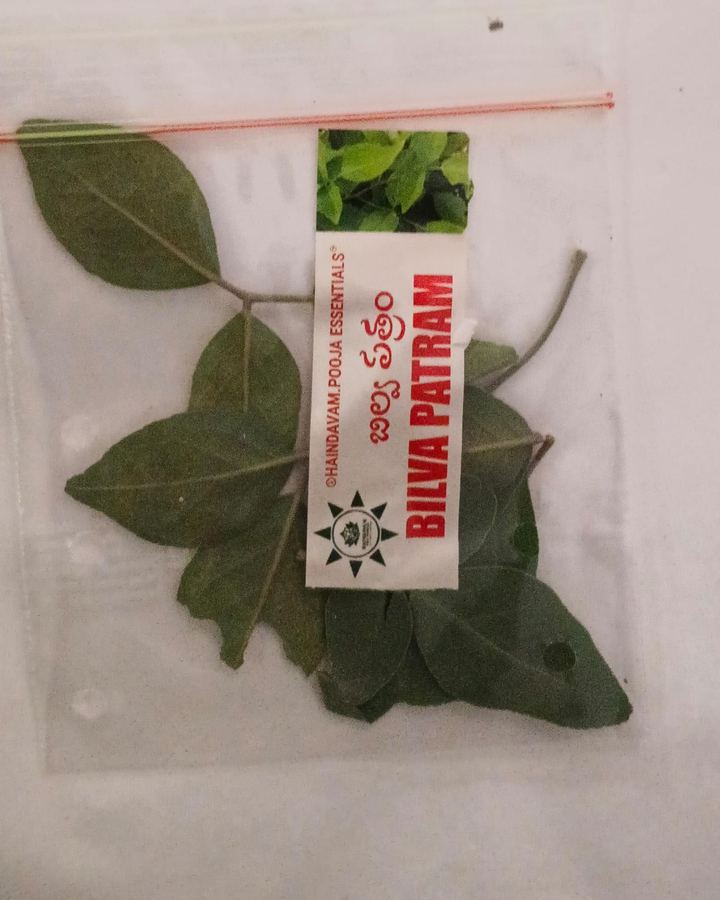
  3. 3 బిల్వ పత్రం

    Bilva Patram, మారేడు (Aegle marmelos)

    ఓం ఉమాపుత్రాయ నమః – బిల్వ పత్రం సమర్పయామి

    Om Umaputraya Namah – Bilva Patram Samarpayami

  4. 4 దూర్వా పత్రం

    Durva Patram, గరిక (Cynodon dactylon)

    ఓం గజముఖాయ నమః – దూర్వా పత్రం సమర్పయామి

    Om Gajamukhaya Namah – Durva Patram Samarpayami

  5. 5 దత్తూర పత్రం

    Dattura Patram, ఉమ్మెత్త (Datura metel)

    ఓం హరసూనవే నమః – దత్తూర పత్రం సమర్పయామి

    Om Harasunave Namah – Dattura Patram Samarpayami

  6. 6 బదరీ పత్రం

    Badari Patram, రేగు (Ziziphus mauritiana)

    ఓం లంబోదరాయ నమః – బదరీ పత్రం సమర్పయామి

    Om Lambodaraya Namah – Badari Patram Samarpayami

  7. 7 అపామార్గ పత్రం

    Apamarga Patram, ఉత్తరేణి (Achyranthes aspera)

    ఓం గుహాగ్రజాయ నమః – అపామార్గ పత్రం సమర్పయామి

    Om Guhagrajaya Namah – Apamarga Patram Samarpayami

  8. 8 తులసీ పత్రం

    Tulasi Patram, తులసి (Ocimum tenuiflorum)

    ఓం గజకర్ణాయ నమః – తులసీ పత్రం సమర్పయామి

    Om Gajakarnaya Namah – Tulasi Patram Samarpayami

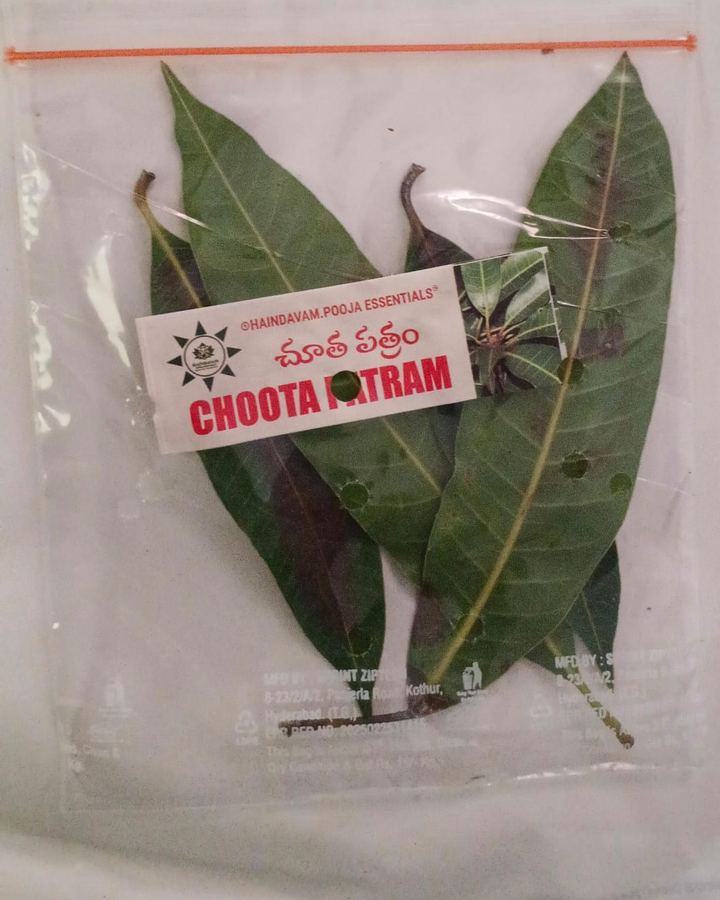
  9. 9 చూత పత్రం

    Choota Patram, మామిడి (Mangifera indica)

    ఓం ఏకదంతాయ నమః – చూత పత్రం సమర్పయామి

    Om Ekadantaya Namah – Choota Patram Samarpayami

  10. 10 కరవీర పత్రం

    Karaveera Patram, గన్నేరు (Nerium oleander)

    ఓం వికటాయ నమః – కరవీర పత్రం సమర్పయామి

    Om Vikataya Namah – Karaveera Patram Samarpayami

  11. 11 విష్ణుక్రాంత పత్రం

    Vishnukranta Patram, విష్ణుక్రాంత (Evolvulus alsinoides)

    ఓం భిన్నదంతాయ నమః – విష్ణుక్రాంత పత్రం సమర్పయామి

    Om Bhinnadantaya Namah – Vishnukranta Patram Samarpayami

  12. 12 దాడిమీ పత్రం

    Dadimi Patram, దానిమ్మ (Punica granatum)

    ఓం వటవే నమః – దాడిమీ పత్రం సమర్పయామి

    Om Vatave Namah – Dadimi Patram Samarpayami

  13. 13 దేవదారు పత్రం

    Devadaru Patram, దేవదారు (Cedrus deodara)

    ఓం సర్వేశ్వరాయ నమః – దేవదారు పత్రం సమర్పయామి

    Om Sarveshwaraya Namah – Devadaru Patram Samarpayami

  14. 14 మరువక పత్రం

    Maruvaka Patram, మరువం (Origanum majorana)

    ఓం ఫాలచంద్రాయ నమః – మరువక పత్రం సమర్పయామి

    Om Phalachandraya Namah – Maruvaka Patram Samarpayami

  15. 15 సింధువార పత్రం

    Sindhuvara Patram, వావిలి (Vitex negundo)

    ఓం హేరంబాయ నమః – సింధువార పత్రం సమర్పయామి

    Om Herambaya Namah – Sindhuvara Patram Samarpayami

  16. 16 జాజీ పత్రం

    Jaji Patram, జాజి (Jasminum grandiflorum)

    ఓం శూర్పకర్ణాయ నమః – జాజీ పత్రం సమర్పయామి

    Om Shurpakarnaya Namah – Jaji Patram Samarpayami

  17. 17 గండకీ పత్రం

    Gandaki Patram, దేవకాంచనం (Bauhinia variegata)

    ఓం సురాగ్రజాయ నమః – గండకీ పత్రం సమర్పయామి

    Om Suragrajaya Namah – Gandaki Patram Samarpayami

  18. 18 శమీ పత్రం

    Shami Patram, జమ్మి (Prosopis cineraria)

    ఓం ఇభవక్త్రాయ నమః – శమీ పత్రం సమర్పయామి

    Om Ibhavaktraya Namah – Shami Patram Samarpayami

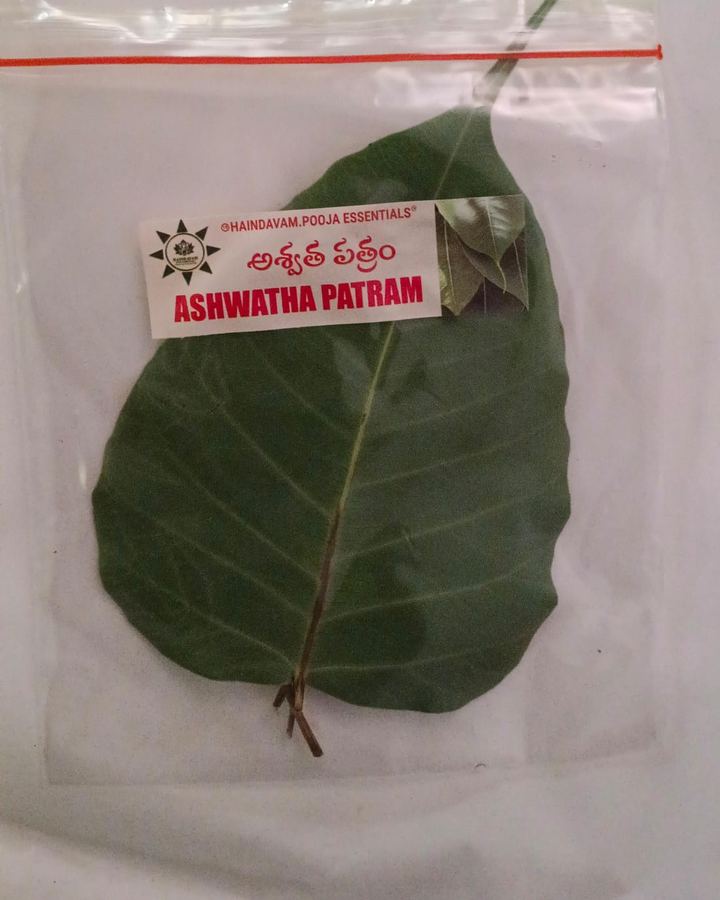
  19. 19 అశ్వత్థ పత్రం

    Ashwattha Patram, రావి (Ficus religiosa)

    ఓం వినాయకాయ నమః – అశ్వత్థ పత్రం సమర్పయామి

    Om Vinayakaya Namah – Ashwattha Patram Samarpayami

  20. 20 అర్జున పత్రం

    Arjuna Patram, మద్ది (Terminalia arjuna)

    ఓం సురసేవితాయ నమః – అర్జున పత్రం సమర్పయామి

    Om Surasevitaya Namah – Arjuna Patram Samarpayami

  21. 21 అర్క పత్రం

    Arka Patram, జిల్లేడు (Calotropis gigantea)

    ఓం కపిలాయ నమః – అర్క పత్రం సమర్పయామి

    Om Kapilaya Namah – Arka Patram Samarpayami

Why these 21 leaves

Ekavimsati Patra Puja joins devotion with the seasonal health wisdom of Ayurveda. Vinayaka Chavithi falls in the monsoon, and the ritual sends every household out to find, handle and recognise 21 healing plants. The Mudgala Purana names the leaves; Ayurveda records what each is valued for.

  1. 1 Machi మాచిపత్రి

    Said to balance Kapha and Vata. Regarded as a tonic for the nerves and a purifier of the skin.

  2. 2 Brihati వాకుడు, ములక

    One of the Dashamoola plants. Used traditionally for cough and complaints of the chest.

  3. 3 Bilva మారేడు

    Very cooling. Valued in Ayurveda for digestion.

  4. 4 Durva గరిక

    Regarded as a blood purifier. Used traditionally for skin allergies and to stop bleeding.

  5. 5 Dattura ఉమ్మెత్త

    Used only externally in traditional practice, for joint pain and muscle spasm. Poisonous.

  6. 6 Badari రేగు

    Rich in antioxidants. Used traditionally in poultices for the throat.

  7. 7 Apamarga ఉత్తరేణి

    A digestive and diuretic herb in Ayurveda.

  8. 8 Tulasi తులసి

    Valued for building immunity against monsoon colds and fevers.

  9. 9 Choota మామిడి

    Astringent. The leaves are used traditionally on burns.

  10. 10 Karaveera గన్నేరు

    Used only externally in traditional practice, for skin infestations. Poisonous.

  11. 11 Vishnukranta విష్ణుక్రాంత

    Known as a tonic for the mind, for memory and calm.

  12. 12 Dadimi దానిమ్మ

    Used traditionally to calm acidity and settle the stomach.

  13. 13 Devadaru దేవదారు

    Aromatic. Its vapours are used traditionally for sinus congestion and colds.

  14. 14 Maruvaka మరువం

    Its fragrance is used traditionally to ease headaches and relax the chest.

  15. 15 Sindhuvara వావిలి

    Used traditionally for pain in the joints and nerves.

  16. 16 Jaji జాజి

    Cooling. Used traditionally to soothe mouth ulcers and calm the mind.

  17. 17 Gandaki దేవకాంచనం

    Kanchanara in Ayurveda. Astringent, valued traditionally for the skin and for glandular swellings.

  18. 18 Shami జమ్మి

    Used traditionally for breathing troubles and skin conditions.

  19. 19 Ashwattha రావి

    Used traditionally for skin blemishes and as a blood purifier.

  20. 20 Arjuna మద్ది

    Ayurveda's foremost tonic for the heart.

  21. 21 Arka జిల్లేడు

    Used only externally and under expert care in traditional practice, for boils and painful joints. Poisonous.

The leaves and the water

On nimajjanam day the leaves go into the lake or well along with the clay idol. Tradition holds that so many medicinal leaves entering the water together helped keep it clean through the monsoon, when water-borne illness is most common.

For pooja only

This is traditional Ayurvedic knowledge, shared for interest. Our leaves are packed for offering, not for eating or treatment. Datura, Karaveera and Arka are poisonous. Please see a qualified Ayurvedic doctor before using any herb as medicine.

How to offer the patri

Patri pooja comes after the Ganesha Ashtottara and before the naivedyam of undrallu and kudumulu. Your family's tradition comes first; this is the common order.

  1. Lay them out

    Open the 21 packs and arrange the leaves on a plate in order, 1 to 21. The label on each pack carries its name in Telugu and English.

  2. One name, one leaf

    Chant the mantra for the leaf and end with “samarpayami” as you place it before Vinayaka. Durva is offered as a pair of blades.

  3. After the pooja

    On nimajjanam day, the leaves go into water or soil along with the clay idol. They are all plant matter and return to the earth.

Full vrata guides

The complete procedure and the vrata katha for both Chaturthi observances, shared to the best of our knowledge. For clarifications, please ask your local or family purohit. Tap a guide to open it.

భాద్రపద శుక్ల చతుర్థి Vinayaka Chavithi vrata vidhanam and katha

From the Skanda, Ganesha and Mudgala Puranas.

Significance and preparation

According to the Skanda Purana and the Ganesha Purana, observing the vratam on the fourth lunar day of the waxing moon in the month of Bhadrapada removes all spiritual, mental and physical impediments. Lord Ganesha manifests completely in the clay form on this holy day during the Madhyahna Kaala, the midday period.

  1. Altar preparation and shuddhi. On the morning of Chaturthi, wake during the Brahma Muhurta, sweep the home and cleanse the premises with holy water. Decorate the main thresholds with fresh mango leaves (Choota Patra) and marigold garlands to invite auspicious energies. Build a square earthen platform (vedi) or set up a clean wooden plank (peetha), and cover it with a new, unblemished red or yellow cloth.
  2. Mrinmaya Ganesha pratishta, installing the clay idol. The scriptures state that the idol should be made from natural clay (mrinmaya), representing our ultimate return to the earth element. Place the idol facing East. Do not move the idol once the installation begins.
  3. Prana pratishta, invocation of life. To transform the clay form into a living vessel of divinity, touch the heart of the idol with kusha grass or the fingers of your right hand and chant the Prana Pratishta mantra:
    Asya Prana Pratishtantu Asya Pranam Ksharantu Cha |
    Asya Devatvam Archayai Mama Hetoh Chiram Tishtha ||May the life force enter this image; may its breath circulate; may this divinity remain firmly seated for my worship.
  4. Dhyanam and avahanam. Meditate on the four-armed form of Ganesha carrying the noose, goad, broken tusk and modaka. Offer a handful of fresh akshata (rice mixed with turmeric and ghee) and flowers at the base of the deity to welcome Him.

Shodashopachara puja

The sixteen offerings (upacharas), presented with devotion:

  1. Padyam and arghyam. Offer clean water to wash the holy feet of the Lord, then water mixed with sandalwood to wash His hands.
  2. Achamaniyam. Offer three drops of pure water for sipping and inner purification.
  3. Madhuparkam. Offer a small cup of curd, honey and ghee mixed together.
  4. Snanam (panchamrutha). Bathe the deity with milk, curd, ghee, honey and sugar in turn, followed by clean water (shuddhodaka snanam).
  5. Vastram and upavitam. Offer two strips of fine red cotton cloth or unbleached thread as garments and the sacred thread.
  6. Gandham and akshata. Apply red sandalwood paste (rakta chandana) on the forehead and decorate with unbroken rice grains.
  7. Pushpa and patra puja. Offer fresh red hibiscus, jasmine and garlands. Then perform the Ekavimsati Patra Puja: offer the 21 leaves one by one while chanting Ganesha's names, in the order shown above. Tulasi is offered to Ganesha only on this day.
  8. Dhupam, deepam and naivedyam. Light guggulu incense and a brass or iron lamp with pure cow ghee. Offer twenty-one steamed modakas, undrallu (rice flour balls), coconut, sugarcane pieces, wood-apples (kapittha) and ripe bananas.

Vrata katha, from the Skanda Purana

Everyone sits comfortably, holds akshata and flowers in the right palm, and listens with full attention to the story told by Sage Sanat Kumara to Veda Vyasa.

The creation of Vinayaka and the great feast

In the Satya Yuga, Mother Parvati wished for a loyal guardian for her inner apartments while Lord Shiva was away meditating on Mount Kailash. With turmeric and sandalwood paste taken gently from her own body, she shaped a beautiful form and breathed life into it, creating a radiant young boy.

After this boy was given the elephant head and crowned as Ganesha, the ruler of all obstacles, the whole universe celebrated. On Bhadrapada Shukla Chaturthi, gods, sages and kings brought mountains of delicacies. Ganesha happily ate thousands of sweet modakas, filling his vast belly.

The arrogance and laughter of Chandra

As twilight fell, Ganesha set out for his abode riding his vehicle, the mouse Krauncha. A large serpent crossed their path. The frightened mouse stumbled, and Ganesha lost his balance and fell. His abdomen split open and the modakas scattered across the ground.

Ganesha calmly gathered the sweets, put them back, and tied the serpent around his waist as a belt. Seeing this from the heavens, Chandra, the Moon God, proud of his own beauty and silver radiance, laughed out loud in mockery at Ganesha's elephant-faced form.

The curse of the fourth night

Hearing the laughter, Ganesha looked up and pronounced a curse: “O Chandra! Your vanity has blinded you to the inner light. Because you mocked the divine form, your silver orb shall lose its glow and fade into darkness. And anyone who looks upon your face on this night of Bhadrapada Shukla Chaturthi shall suffer false scandal, disgrace and untrue accusations of theft or crime (mithya apavada).”

The redemption and the Syamantaka gem

The universe fell into despair as the moon vanished. The gods, led by Lord Brahma, pleaded with Ganesha. Compassionate at heart, he softened the curse: Chandra would wax and wane every month, but the restriction for the night of Bhadrapada Chaturthi would remain, to teach humility.

In the Dwapara Yuga, Lord Krishna lived in Dwaraka. On the night of Bhadrapada Chaturthi he went to fetch milk and saw the reflection of the Chaturthi moon in the vessel. Remembering Ganesha's decree, Krishna knew a trial awaited him.

Within days, Satrajit, a nobleman who owned the Syamantaka Mani, a gem that produced gold daily, publicly accused Krishna of killing his younger brother Prasena to steal the jewel. In truth Prasena had worn the gem into the forest while hunting and was killed by a lion. The lion was then killed by the bear king Jambavan, who gave the gem to his child to play with.

The battle in the cave

To clear his name, Krishna followed the footprints into a deep cavern and found the gem hanging over a cradle. Jambavan, not recognising Krishna, wrestled him fiercely for twenty-eight days and nights. As his strength failed, Jambavan realised his opponent was none other than his Lord Rama from the previous age. He fell at Krishna's feet and gave him the Syamantaka Mani along with his daughter Jambavati in marriage. Krishna returned to Dwaraka, presented the gem to Satrajit in the royal assembly, and cleared his name before all.

The remedy for seeing the moon

When asked why the Lord Himself suffered a false allegation, Sage Narada revealed the secret of the Chaturthi moon. Anyone who accidentally looks at the moon on this day can remove the ill effect by hearing this story of the Syamantaka Mani, meditating on Ganesha, and reciting:

Simhah Prasenam Avadhit Simho Jambavata Hatah |
Sukumaraka Ma Rodis Tava Hyesha Syamantakah ||The lion killed Prasena; the lion was killed by Jambavan. O child, do not weep, for this Syamantaka gem is yours.

At the end, place the akshata held in your palm on your own head. Share the modakas and prasadam with the whole family to conclude the vratam.
సంకష్టహర చతుర్థి Sankashtahara Chaturthi puja vidhanam and katha

From the Ganesha Purana, Mudgala Purana and Bhavishya Purana. See this year's dates.

Puja vidhanam

  1. Pratah sankalpa, the morning vow. Rise during Brahma Muhurta. After purification, take a sankalpa to observe a day-long fast dedicated to Ganesha, taking only fruit or milk if required.
  2. Nitya dhyana. Spend the day in quiet reflection, chanting “Om Gam Ganapataye Namah” or reading the Ganesha Atharvashirsha.
  3. Sandhya maha puja, the evening worship. Shortly before moonrise, set an altar facing East and purify the space with Ganga water. Worship Lord Ganesha with Shodashopachara, giving special place to Durva grass (garika) offered in sets of 21 while reciting His names.
  4. Naivedya samarpana. Prepare clean, sattvic offerings such as til laddoos (sesame sweets), modakas, steamed undrallu or sabudana khichdi. Use no onion or garlic, and rock salt (saindhava lavanam) in place of common salt.
  5. Chandrodaya arghyam, the moonrise offering. This is the most important step. At local moonrise, look at the Moon and offer arghyam (water mixed with milk, raw rice, sandalwood paste and flowers) into a vessel or onto the earth. Pray to Chandra and to the form of Ganesha who presides over that lunar month.
  6. Parana, breaking the fast. Distribute prasadam, take the blessings of elders, and break the fast with a simple vegetarian meal.

Vrata katha, from the Ganesha Purana

The Ganesha Purana tells of King Shuraketu, a monarch of exemplary virtue, whose kingdom fell into sudden catastrophe. A great drought dried the rivers and tanks, crops failed, and famine gripped the land. Seeing the unseen karmic obstacles behind this suffering, the great Sage Agastya visited the grieving King.

Agastya initiated the King into the monthly Sankashtahara Chaturthi vratam, a practice that shatters great obstacles. The King, his family and his subjects observed the fast with deep faith, ending with the arghyam at moonrise.

Pleased with their devotion, Lord Ganesha appeared before them. At once the rains fell, the land recovered, prosperity returned and the suffering ended. The texts affirm that whoever performs this monthly vratam overcomes financial distress, troubles of health and every obstacle.

సంకష్టహర చతుర్థి dates, 2026 to 2027

Sankashtahara Chaturthi is the monthly Ganesha vrat on Krishna Paksha Chaturthi. The fast is kept from sunrise and ends after seeing the moon and offering arghyam that evening. Each month a different form of Ganapati is worshipped. When the vrat falls on a Tuesday it is Angarki Chaturthi, the most auspicious of all. Dates and moonrise times are for Hyderabad, for the Parabhava year. Elsewhere the moon rises a few minutes earlier or later, and trees, buildings or cloud can delay the sighting. How to observe the vratam. Shared to the best of our knowledge; please confirm with your local or family purohit.

  1. 5Apr 2026

    చైత్రం

    Sunday, Chaitra Krishna Chaturthi

    Vikata Ganapati

    9:28 PMmoonrise
  2. 5May 2026

    వైశాఖం Angarki

    Tuesday, Vaishakha Krishna Chaturthi

    Ekadanta Ganapati

    9:59 PMmoonrise
  3. 3Jun 2026

    అధిక జ్యేష్ఠం

    Wednesday, Adhika Jyeshtha Krishna Chaturthi

    Vibhuvana Ganapati

    9:32 PMmoonrise
  4. 3Jul 2026

    నిజ జ్యేష్ఠం

    Friday, Nija Jyeshtha Krishna Chaturthi

    Krishnapingala Ganapati

    9:33 PMmoonrise
  5. 2Aug 2026

    ఆషాఢం

    Sunday, Ashadha Krishna Chaturthi

    Gajanana Ganapati

    9:21 PMmoonrise
  6. 31Aug 2026

    శ్రావణం

    Monday, Shravana Krishna Chaturthi

    Heramba Ganapati

    8:36 PMmoonrise
  7. 29Sep 2026

    భాద్రపదం Angarki

    Tuesday, Bhadrapada Krishna Chaturthi

    Vighnaraja Ganapati

    8:00 PMmoonrise
  8. 29Oct 2026

    ఆశ్వయుజం

    Thursday, Ashwayuja Krishna Chaturthi

    Vakratunda Ganapati

    8:41 PMmoonrise
  9. 27Nov 2026

    కార్తీకం

    Friday, Kartika Krishna Chaturthi

    Ganadhipa Ganapati

    8:39 PMmoonrise
  10. 26Dec 2026

    మార్గశిరం

    Saturday, Margashira Krishna Chaturthi

    Akhuratha Ganapati

    8:32 PMmoonrise
  11. 25Jan 2027

    పుష్యం

    Monday, Pushya Krishna Chaturthi

    Lambodara Ganapati

    9:13 PMmoonrise
  12. 24Feb 2027

    మాఘం

    Wednesday, Magha Krishna Chaturthi

    Dwijapriya Ganapati

    9:44 PMmoonrise
  13. 25Mar 2027

    ఫాల్గుణం

    Thursday, Phalguna Krishna Chaturthi

    Bhalachandra Ganapati

    9:22 PMmoonrise

As seen on V6 Life

Farm to Ganesh Pooja

V6 Life featured Haindavam Pooja Essentials and our founder in “Farm To Ganesh Pooja: Rs 199, 21 Sacred Leaves in One Pack, Delivery Across Hyderabad”. Watch her explain how the 21 leaves come from the farm to your pooja.

Watch on YouTube

Order the 21-leaf pack

One pack is one complete Ekavimsati Patri set for a household pooja.

  • 21 leaves, each in its own sealed cover
  • Name label on every cover, in Telugu and English
  • Printed mantra sheet in Telugu, Hindi and English
  • Delivery across Hyderabad

Leaves are natural and seasonal, so size and colour differ from the photos. Datura, Arka and Karaveera are for offering only. Do not eat them, and keep them away from children.

1

After paying, send the order on WhatsApp with your payment screenshot so we can confirm delivery.